

Uncover the genius psychology behind casino wins and gambling success
The Allure of Chance and Perceived Control
Casinos masterfully tap into fundamental psychological drivers, chief among them the allure of chance juxtaposed with the human desire for control. Games are designed to offer frequent, albeit small, wins to create a sense of near-misses and the feeling that the next big win is just around the corner. This intermittent reinforcement schedule is incredibly powerful, mirroring principles seen in behavioral psychology that foster habit formation and persistence, even when outcomes are largely determined by luck. The digital landscape of online gambling, for example, often features RocketPlay 30 Online, which aims to replicate the excitement of physical casinos through engaging interfaces and varied game selections.
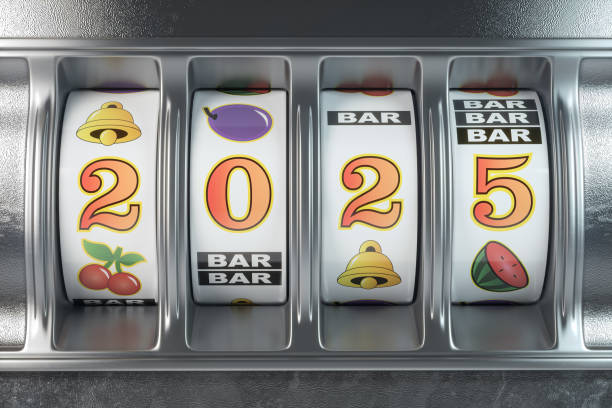
This perceived control can manifest in various ways, from superstitions and rituals to the belief that a particular strategy or timing can influence the unpredictable nature of casino games. Players often attribute wins to skill or intuition, overlooking the overwhelming role of randomness. This cognitive bias allows individuals to maintain a positive outlook and continue playing, making the casino experience more engaging and less about pure chance for the individual.
Exploiting Cognitive Biases in Gambling
The casino environment is a fertile ground for exploiting various cognitive biases. The “gambler’s fallacy,” for instance, is the mistaken belief that if something happens more frequently than normal during some period, it will happen less frequently in the future, or vice versa. This is particularly evident in games like roulette where players might bet on red after a string of black outcomes, believing the odds are “due” to balance out. Casinos capitalize on this by offering games where past results are visible, encouraging such flawed reasoning.
Another key bias is the “availability heuristic,” where people overestimate the importance of information that is easily recalled. Stories of big winners are often highlighted in casino marketing and within the casino itself, making these dramatic wins readily available in a player’s mind. This overshadows the far more common reality of losses, leading potential players to overestimate their own chances of success and underestimate the risks involved.
The Role of Sensory Stimulation and Environment
Beyond the games themselves, the physical and sensory environment of a casino is meticulously crafted to enhance the gambling experience and keep patrons engaged. Bright lights, stimulating sounds from slot machines, and the constant hum of activity are designed to create an exciting atmosphere that can be both exhilarating and disorienting. This sensory overload can heighten arousal and make time seem to pass more quickly, encouraging longer play sessions.
Furthermore, the absence of clocks and windows in many casino areas serves a deliberate purpose: to further disconnect players from the outside world and the passage of time. This creates an immersive environment where the focus remains solely on the game. The availability of food, drink, and other amenities within the casino also minimizes the need for players to leave, reinforcing the idea of a self-contained world dedicated to entertainment and the pursuit of fortune.
Understanding Risk Perception and Reward Pathways
The human brain’s reward system, particularly the release of dopamine, plays a significant role in gambling. The anticipation of a win, the near-misses, and the actual wins all trigger this system, creating a pleasurable sensation that can be highly addictive. This neurological response reinforces the behavior, making players want to repeat the actions that led to these rewarding feelings, regardless of the ultimate outcome.
Casinos are adept at calibrating the risk-reward ratio in their games to maintain this delicate balance. While the odds are always in favor of the house, the potential for a significant payout, however improbable, is what drives participation. This understanding of how humans perceive risk and respond to potential rewards is central to the enduring appeal and psychological grip of casino gambling.

Navigating Online Casinos and Their Psychological Framework
Online casino platforms employ similar psychological principles but adapt them for the digital realm. The convenience of playing from home can amplify some of the same biases, as the immersive environment is created through sophisticated interfaces and constant digital engagement. The lack of immediate social cues and the ease of transactions can also alter risk perception, making it easier for players to spend more than they intend.
Understanding the psychological underpinnings of both physical and online casinos is crucial for responsible gaming. While the thrill of a potential win is undeniable, recognizing the carefully constructed environment and the inherent biases at play can empower players to make more informed decisions. The design of these platforms, including those that offer online casino experiences, relies on these psychological factors to engage their audience, making awareness the first step towards a more mindful gaming experience.
Recent Comments