

The cultural significance of gambling exploring its roots and impacts
The cultural significance of gambling exploring its roots and impacts
The Historical Roots of Gambling
Gambling has been an integral part of human civilization for centuries, with its origins tracing back to ancient societies. Evidence suggests that games of chance were played in ancient China as early as 2300 BC, with the use of rudimentary dice. Similarly, archaeological findings in Mesopotamia reveal the use of betting games. These early forms of gambling served not only as entertainment but also as a means of cultural expression, reflecting societal values and beliefs. In this context, Galactic Bets produce innovative online experiences that connect players with a rich history of gaming.
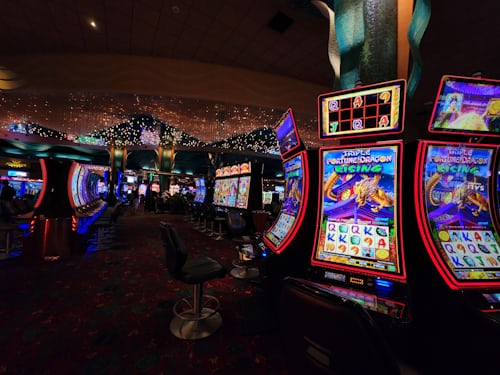
As societies evolved, so did the forms and contexts of gambling. In ancient Rome, for example, gambling was common among soldiers and citizens alike, often tied to events such as gladiatorial contests. This form of gambling highlighted the Roman affinity for competition and risk-taking, showcasing how gambling was interwoven into the social fabric of the time. Different cultures adapted their gambling practices to align with local customs, further embedding these activities into their identities.
By the Middle Ages, gambling became institutionalized in various forms, with the establishment of betting houses and the introduction of card games. These developments not only provided new avenues for entertainment but also opened the door for regulatory frameworks that would emerge in later centuries. The cultural significance of gambling thus solidified, manifesting as a key component of leisure activities in many societies, creating a legacy that persists to this day.
The Societal Impacts of Gambling
The impact of gambling on society is multifaceted, influencing economic, social, and psychological dimensions. Economically, gambling generates significant revenue for governments and local economies, particularly in the form of taxation from casinos and lotteries. This revenue often supports public services, infrastructure, and community programs, showcasing how GalacticBets casino can play a constructive role in societal advancement. However, the economic benefits come with caveats, as they can also lead to increased social issues, including addiction and financial instability.
Socially, gambling can foster community bonding and shared experiences, especially in cultures where social gambling events are commonplace. These gatherings often promote camaraderie among participants and enhance social networks. However, it is also essential to acknowledge that gambling can have adverse effects, including estrangement among family and friends due to gambling-related conflicts. The dual nature of gambling—both as a unifying and divisive force—illustrates the complexity of its societal role.
Psychologically, gambling can evoke a range of emotions, from the thrill of winning to the despair of loss. The excitement associated with games of chance often leads individuals to take risks they might not otherwise consider. While this thrill can serve as a healthy outlet for some, it can spiral into compulsive behavior for others. The psychological implications of gambling underscore the necessity for awareness and education to ensure that individuals engage in these activities responsibly.
The Evolution of Gambling in Modern Culture
In contemporary society, gambling has transformed dramatically with technological advancements, particularly with the rise of the internet. Online gambling platforms have made it easier than ever for individuals to engage in gambling activities, often from the comfort of their own homes. This accessibility has led to a surge in participation, particularly among younger demographics. Modern gambling thus reflects not only a leisure activity but also a digital phenomenon that reshapes how society interacts with chance and risk.
The portrayal of gambling in popular media also plays a significant role in shaping public perception. Movies, television shows, and literature often romanticize gambling, depicting it as glamorous or thrilling. This representation can both attract new participants and misrepresent the potential dangers associated with gambling, leading to misconceptions about its nature and consequences. Understanding these portrayals is crucial for recognizing the cultural significance of gambling in shaping societal attitudes.
Furthermore, as regulations surrounding gambling continue to evolve, there are ongoing discussions about responsible gambling practices. Many organizations are advocating for education and resources to help individuals navigate the complex landscape of gambling, particularly in light of its potential for addiction. The evolution of gambling in modern culture thus reflects broader societal changes, highlighting the need for a balanced approach that recognizes both its entertainment value and its inherent risks.
The Intersection of Gambling and Technology
The advent of technology has revolutionized the gambling landscape, introducing new forms and platforms that cater to diverse audiences. Online casinos, mobile apps, and live dealer games provide users with an immersive gambling experience that traditional establishments cannot replicate. This technological shift has made gambling more accessible, attracting a wider range of participants and fostering a culture that integrates gaming into daily life.
Moreover, advancements in technology have led to the development of sophisticated algorithms and data analytics that enhance user experience. These tools enable gambling platforms to personalize offerings, encouraging players to engage more deeply with their services. However, the use of technology in gambling also raises ethical questions regarding privacy, data security, and the potential for manipulation, making it imperative for consumers to stay informed about the implications of their digital gambling habits.
As technology continues to advance, the future of gambling seems poised for further evolution. Innovations such as virtual reality and blockchain technology promise to reshape the gambling experience, offering users new ways to engage with games of chance. This ongoing intersection between gambling and technology not only reflects changing consumer preferences but also underscores the cultural significance of gambling as it adapts to contemporary challenges and opportunities.

Understanding Gambling Culture in Today’s Society
Gambling culture today is a rich tapestry of diverse practices, attitudes, and beliefs. From state-sponsored lotteries to underground poker games, the variety of gambling activities reflects the complexities of human behavior and social interaction. As cultures blend and evolve, new forms of gambling emerge, demonstrating the adaptability of this age-old pastime. This dynamic nature of gambling culture reveals how it continuously mirrors societal changes and trends.
The role of community in gambling culture cannot be understated. Whether through local betting shops, casinos, or online forums, social interactions surrounding gambling activities create a sense of belonging among participants. These environments foster relationships and shared experiences that often transcend the act of gambling itself. However, there remains a delicate balance between community bonding and the potential isolation that can stem from compulsive gambling behaviors.
In light of this complexity, it is essential to approach gambling culture with a nuanced understanding. Recognizing the cultural significance of gambling entails appreciating both its contributions to social cohesion and its potential harms. By fostering open conversations about responsible gambling, society can work towards creating a balanced approach that honors the traditions and values associated with gambling while addressing the challenges it poses.